
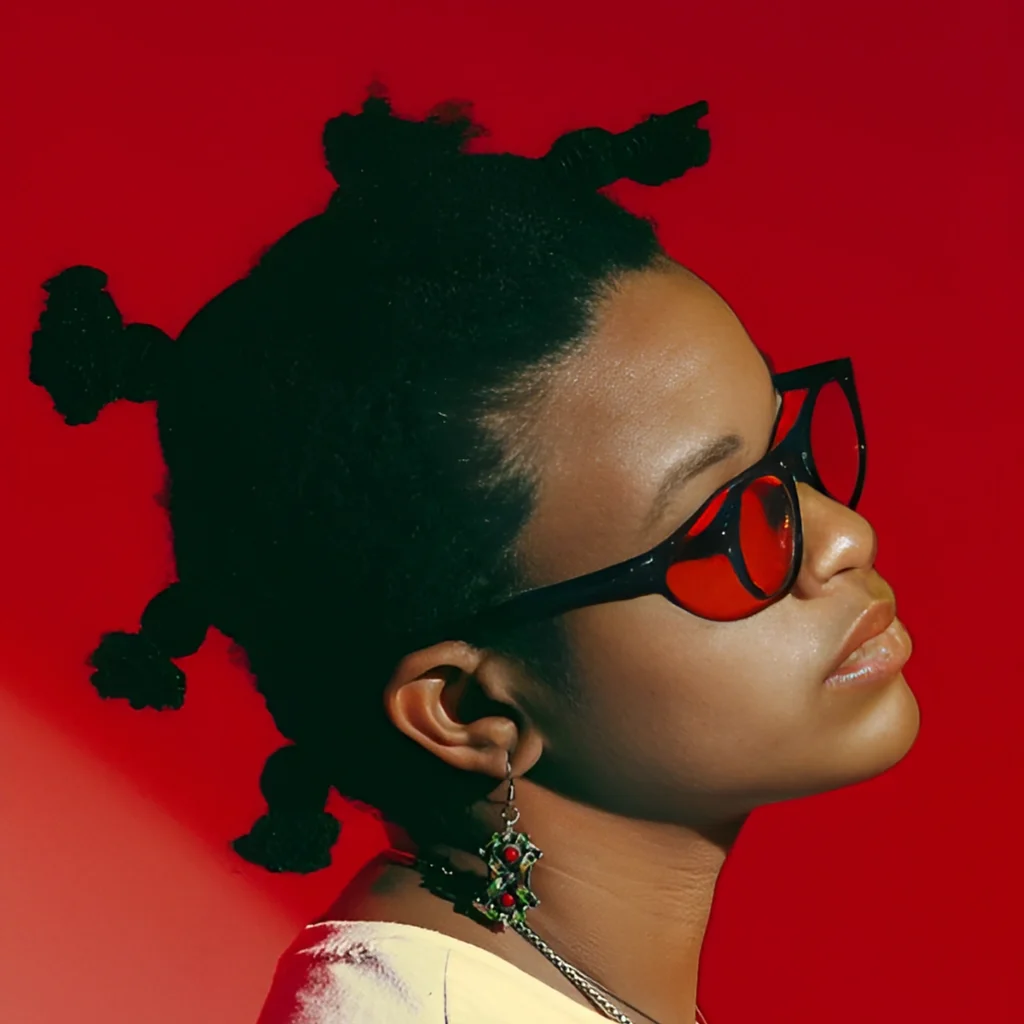
Jenna Camille Chopped a Beat at Work Into Ayo, a Song About Gladly Giving up Control
An American Producer Writes Alternative R&B and Hip-Hop That Treats Surrender as Strength
Jenna Camille made the beat for Ayo at work, chopping up a couple of samples into a new melody. Out since 20 November 2026, the single sits between alternative R&B, neo-soul and hip-hop, with a gritty funk underneath. Its subject is desire, told from the side that is glad to give up control.
Jenna Camille’s music is in the playlist below, among the R&B and neo-soul records this desk keeps close. The full run of coverage is collected on Jenna Camille’s artist profile. Ayo (Single) reached RapStar.News through PopHits.Co Music Charts, which verifies independent artists and places their releases across its network of music news sites. Play it first, then read on for how she built it.

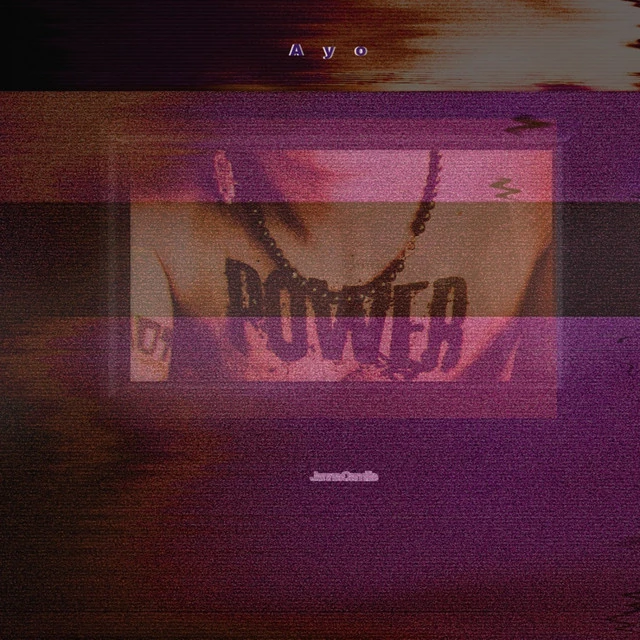
One Word Carries the Hook of Ayo, and the Chorus Echoes Itself
That title carries more than it seems. In Black vernacular, ayo is the word you use to get someone’s attention. You might call a friend over with it, or warn someone about to step on your foot. Elsewhere it is a cry of shock and awe, and that second sense is the one Ayo chases.
The chorus works like a call and response. Each word comes straight back as an echo: “Ayo (Ayo) / You so (You so) / Malo (Malo)”. Malo is the Spanish word for bad. So the hook keeps answering itself, and a handful of short words fill the whole chorus.

Jenna Camille Writes the Verses of Ayo as a Willing Surrender to a Powerful Woman
The verses are addressed to a woman who has taken charge, and the narrator does not put up a fight. “That’s a price that I’m willin to pay,” the first verse decides. The second ends on the giveaway: “You got me in yo grip, and you not letting go / But I’m not even trippin so I’m letting go.”
Jenna Camille wanted the song to feel powerful and sexual without objectifying anyone. The respect runs the other way, because the song honours a powerful woman by yielding to her gladly. Her lyrics have long challenged ideas about Black womanhood, and this one does it by celebrating a woman’s power.
She also almost never starts from a concept. The words arrive first and show her the idea later. Here the idea came from a guitar sample that made her feel completely taken over.
She names Prince and his Darling Nikki as one of the songs behind it. That 1984 track from Purple Rain was frank enough to alarm Tipper Gore. She went on to found the Parents Music Resource Center, whose campaign put the Parental Advisory sticker on records. Ayo comes from the same habit of saying it plainly, with the power handed to the woman.
Janet Jackson is the other touchstone. Would You Mind, from her 2001 album All for You, sets out what she wants in a near whisper. It is a woman setting the terms. In Ayo the woman gives the orders, and the speaker follows them.

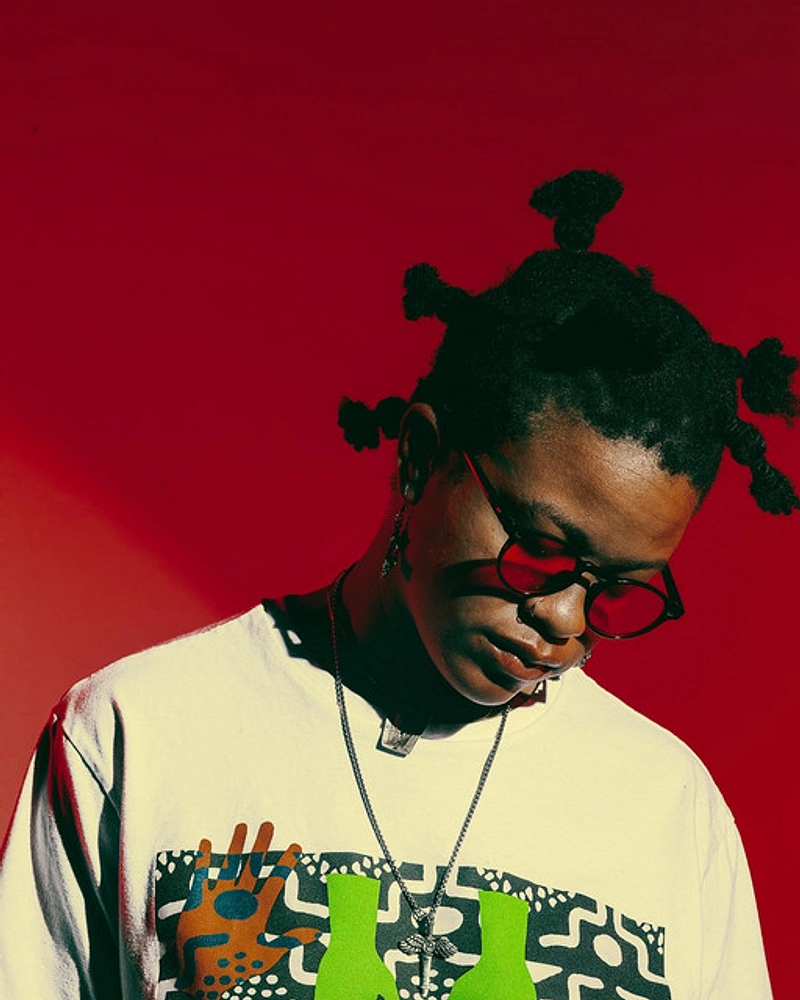
Ayo Grew From Splice Samples Jenna Camille Chopped Into a Groove at Her Day Job
Then there is the way it was made. Jenna Camille is based in Washington, D.C., in the United States. There she manages a studio, producing and engineering music for young people. Some of the beats she makes there do not connect with them, so she keeps those for herself. Ayo began as one of them.
She took a couple of Splice samples and chopped them so finely that a clear new melody came out. She wanted the chorus to feel as if it could turn into a funky rock anthem. That suits a tune she describes as mud-stomping.
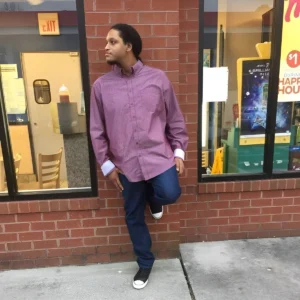
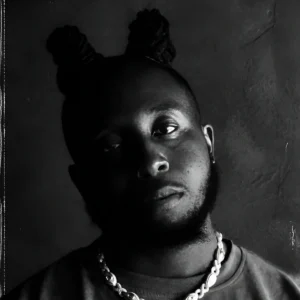
She did the rest herself as well. Jenna Camille, credited as Jenna Henderson, produced Ayo, wrote the words, recorded, mixed and mastered it, and shot the cover photo.
That craft comes from training. A formally trained jazz pianist, she studied at the Duke Ellington School of the Arts and then in the jazz studies programme at Michigan State University. Funk also runs in the family, because she is the grandchild of a funk musician. The warm grit she wanted from Parliament-Funkadelic belongs to that family history. George Clinton’s Parliament reached number one on the R&B chart with Flash Light in 1978. Parliament’s Bernie Worrell played its bass line on a Minimoog. That record showed funk could come from a keyboard as well as a rhythm section. Ayo builds its groove from chopped samples instead.
Where Ayo Sits in a Busy Year for Jenna Camille
It caps a busy year. Plethora came out in February. Then in the summer she released Feelin’, an album made over several years with the Hamburg-based producer High John. Her guest spots run through hip-hop as well, including an appearance beside Blu and Awon on Padre Toxico’s Feel Good.
Her home scene has noticed. She won the 2022 Wammie Award for Best R&B Song. The Washington Post once described her music as “a heady mix of R&B with elements of jazz, hip-hop and electronic music”.
So Ayo is for listeners who like their R&B with some grit and their hip-hop with a sense of humour. It is also for anyone who still plays Darling Nikki loud. It begins by calling for attention, and by the last chorus it has all of it.
From the RapStar.News curator team: “Any seduction that opens by admitting ‘you got me dumber than a billy goat’ has already won the room. Ayo is funny and frank in the same breath, which is harder to pull off than either one alone.”
Follow Jenna Camille across platforms: Spotify, Tidal, YouTube channel, Instagram, Facebook and her official site. Stream Ayo on Spotify or buy it on Bandcamp.









About Author