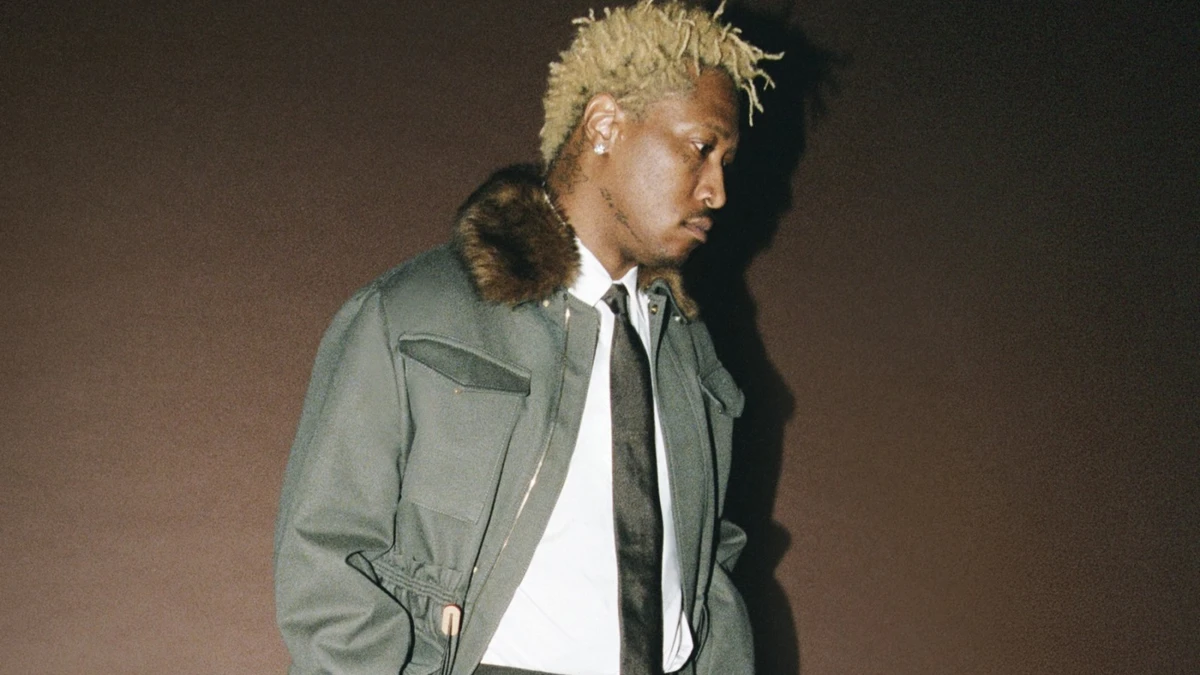

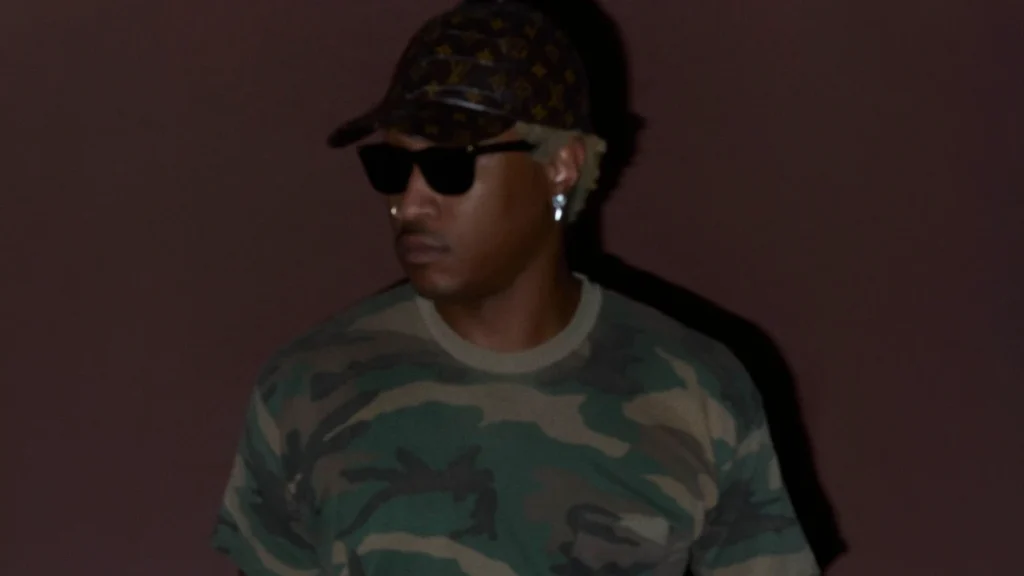
Future’s The Real Me arrived on July 10, 2026, and it makes a statement before a single beat drops: there are no guest features anywhere on it. For an artist who has spent a decade as one of rap’s most in-demand collaborators, a 22-track solo album billed as a turn toward introspection is a deliberate swerve, and it has left critics sharply divided over whether the gamble pays off. Released through Epic Records and his own Freebandz imprint, the roughly 58-minute set is Future’s tenth studio album and his most self-contained project in years.
A Rare Solo Statement
Future has rarely been quiet. Between studio albums, mixtapes and a steady stream of joint projects, he has kept a release pace few peers can match. The Real Me stands out precisely because it narrows that sprawl into a single voice. It is his first solo studio album since 2022’s I Never Liked You, and where much of his recent output has leaned on partnerships, this record is pitched as the sound of Future alone with his thoughts.
Context raises the stakes. Future remains one of the most influential figures of the streaming era, a template for the melodic, drug-hazed strain of trap that shaped a generation of rappers. When an artist that foundational releases a project explicitly framed as a self-portrait, it reads as a bid to define the terms of his own legacy rather than just add another entry to a deep catalogue. Few artists get to write their own epitaph in real time, and The Real Me is Future reaching for the pen.
The framing invites a higher bar. An album called The Real Me promises access, a look behind the Auto-Tuned bravado at the man underneath. Whether the songs deliver that access is the central question every review has wrestled with, and the answers have not lined up.
No Features, By Design
The absence of guests is the album’s defining structural choice. Future teased fans about potential collaborators in the run-up, only to release a record with none, a decision that reads as a point of pride rather than an oversight. Stripping away features removes the crutch of a scene-stealing verse and forces the album to live or die on his own performances.
It is a risk with real upside. A solo record can feel more intimate and more cohesive, and it hands the artist full control of the album’s arc. The flip side is exposure: without guests to change the pace, any repetition in the writing or the beats has nowhere to hide. That tension runs through the entire runtime of Future’s The Real Me.
The choice also cuts against the grain of the moment. Much of the summer’s biggest rap has been built on sprawling guest lists, a streaming-era strategy that widens an album’s reach across every collaborator’s fan base. Future going the other way is a statement about confidence and about control, a wager that his name alone can still carry an hour of music without outside help. It is the kind of move available only to an artist with nothing left to prove commercially.
The Production Bench
If the vocals are solo, the production is anything but understated. The Real Me draws on a heavyweight roster including Wheezy, ATL Jacob, Southside, TM88, DJ Spinz and Pharrell Williams, who produces the track “Alice.” The result keeps Future in the lush, cinematic sonic world he helped define, from widescreen drums to the woozy synths that have long been his signature.
One name is conspicuously missing: Metro Boomin, the producer behind some of Future’s biggest recent moments. RapStar.News recently looked at how Metro Boomin’s collaboration era turned those partnerships into blockbuster events. The Real Me deliberately steps outside that orbit, another sign that Future wanted this album to stand as a personal statement rather than a team effort.
An Introspective Turn
The album’s emotional centre is where its ambitions are clearest. Lead single “Radio,” released in late June, set the tone with a more reflective, soul-searching register, and deeper cuts push further. “If I Could” turns toward family, addressing his sons and his grandmother, while tracks like “Big Moment” frame success as something survived rather than simply celebrated. “Hollywood” reaches for a cinematic sweep that several reviewers singled out as a highlight.
This is the material the title is staking its claim on. When The Real Me works, it does so by letting the swagger drop long enough for something more vulnerable to show through, a mode Future visits more than he fully commits to across the 22 tracks.
Introspection has always been a relative term with Future. Even at his most reflective, he tends to filter pain through the same luxury-and-excess imagery that built his brand, and The Real Me is no exception. The album’s best moments come when that tension is audible, when the flex and the fatigue sit in the same bar. Its weaker stretches arrive when the writing settles back into autopilot and the promised vulnerability thins out.
A Split Verdict
Reception has been genuinely polarised. In its review, Consequence landed on a C+, arguing that Future “settles for a familiar formula” and “shifts into cruise control” rather than delivering the vulnerability the title promises. The critique is not that the album is bad so much as that it is comfortable, a veteran running a proven play.
Others heard something more focused. A 9/10 review from Vohnic Music called it his strongest solo work in years, praising how it consolidates his personas into “a single, coherent statement” and pointing to the cinematic “Hollywood” and the family-facing “If I Could” as proof of real emotional weight. Aggregated scores collected on Album of the Year capture that spread, with critics landing everywhere from lukewarm to laudatory. The disagreement itself says something: The Real Me is a record built to reward listeners who meet it on its own terms and to frustrate those hoping for reinvention.
Where The Real Me Fits in a Loud July
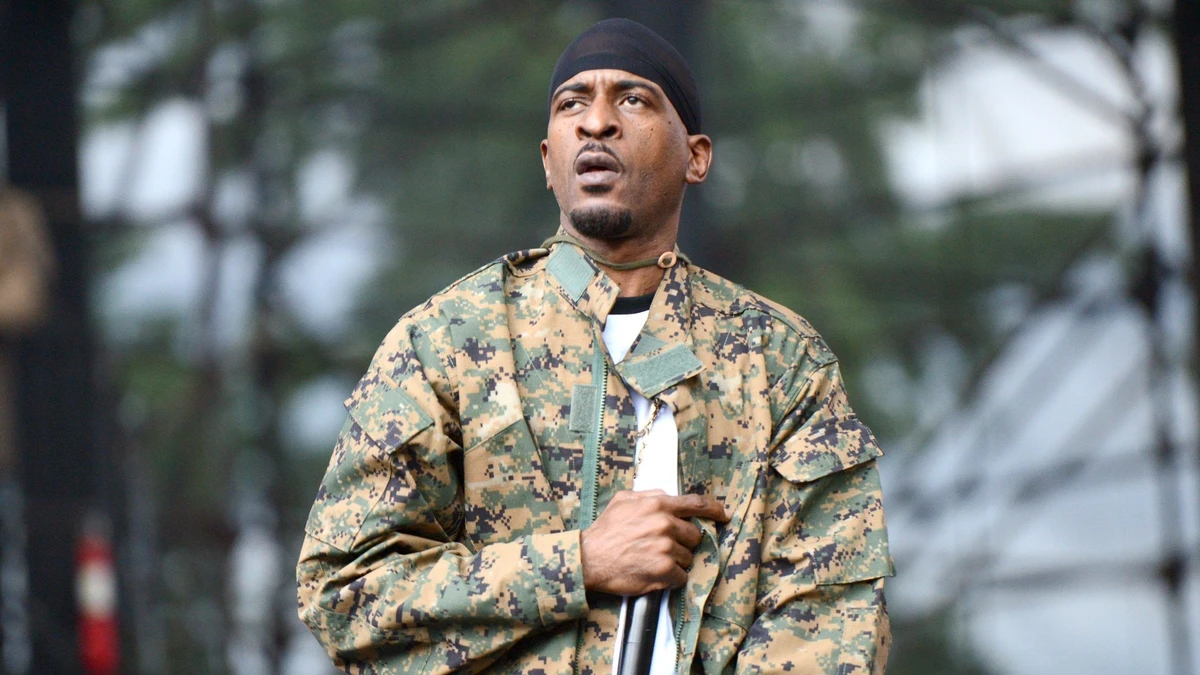
Future’s The Real Me lands in one of the busiest rap months in recent memory. The summer calendar is stacked with heavyweight releases, from rage-rap statements to boss-rap events like Rick Ross’s feature-heavy Set in Stone, and Future’s decision to go featureless reads almost as a counter-move in a month defined by star-studded guest lists.
There is a commercial logic underneath the artistry, as well. A featureless album keeps every stream and every songwriting credit in-house, a not-insignificant consideration for an artist who owns his imprint. The Real Me is a personal record, but it is also a business decision that reflects how much leverage Future has accumulated over two decades in the game.
That contrast may be the smartest thing about the album’s rollout. In a crowded field, a solo, introspective project from a proven hitmaker stands apart simply by refusing to play the collaboration game. It is a reminder that scarcity can be its own form of marketing. Whether it becomes a defining late-career chapter or a comfortable placeholder will depend on how the songs age, but The Real Me has already done one thing clearly: it has people arguing about Future again, and for an artist this deep into his run, that is its own kind of win.
About Author