
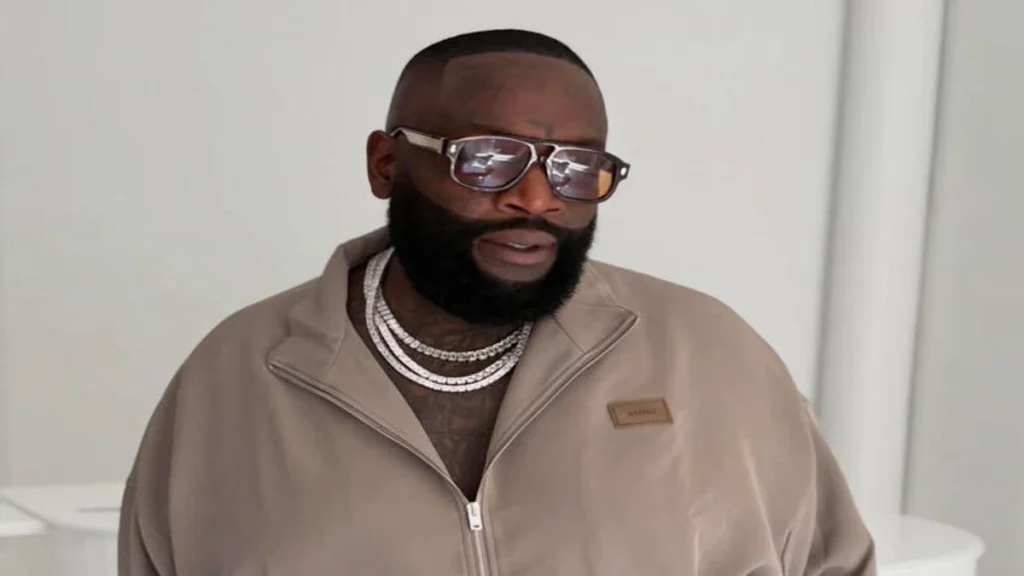
Rick Ross’s Set in Stone is shaping up as one of the summer’s biggest rap events, and the newly revealed guest list is the clearest sign yet of its ambition. Due July 17, 2026 through Maybach Music Group under an exclusive license to Gamma, the 19-track album is the Miami rapper’s 12th studio release and his first solo full-length since 2021’s Richer Than I Ever Been. The tracklist pairs Ross with a deep bench of collaborators old and new, framing the record as both a homecoming and a statement of standing.
A Boss Returns After Five Years
Ross has never fully stepped away, but a five-year gap between solo albums is significant for an artist who once released at a relentless pace. In the interim he shared Too Good To Be True with Meek Mill and kept a steady run of singles, yet Set in Stone is positioned as the return of the marquee solo project. For a rapper whose brand is built on opulence and longevity, the timing matters: he arrives two decades into a career that began with a No. 1 debut, and the album is being sold as a reaffirmation rather than a reinvention.
Recent singles set the tone. “Minks in Miami,” featuring French Montana and Max B, leaned into the plush, luxury-rap lane Ross helped define, while “Mahogany Caskets” with T.I. paired two veterans over the kind of widescreen production that has always suited his voice. Both cuts made the final tracklist, signalling continuity between the rollout and the finished album.
Consistency has always been part of the Ross appeal. Across a catalogue that stretches from Port of Miami to Rather You Than Me and beyond, he has sold a coherent fantasy of mafioso luxury delivered in a baritone built for stadium speakers. Set in Stone does not appear interested in disrupting that formula. If anything, the album title reads as a thesis statement: this is who Rick Ross is, fixed and unbothered by trend cycles, and the record aims to prove the persona still commands the room.
Inside the Set in Stone Guest List
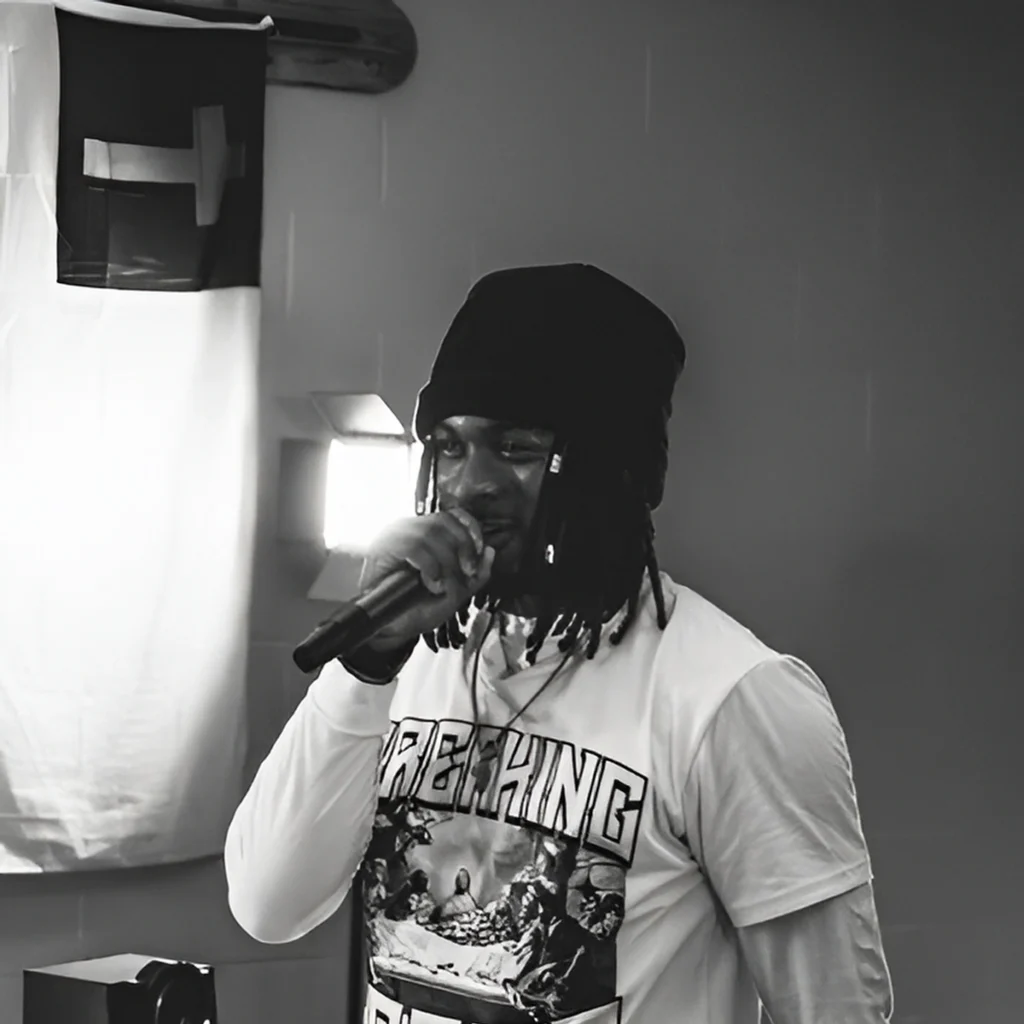
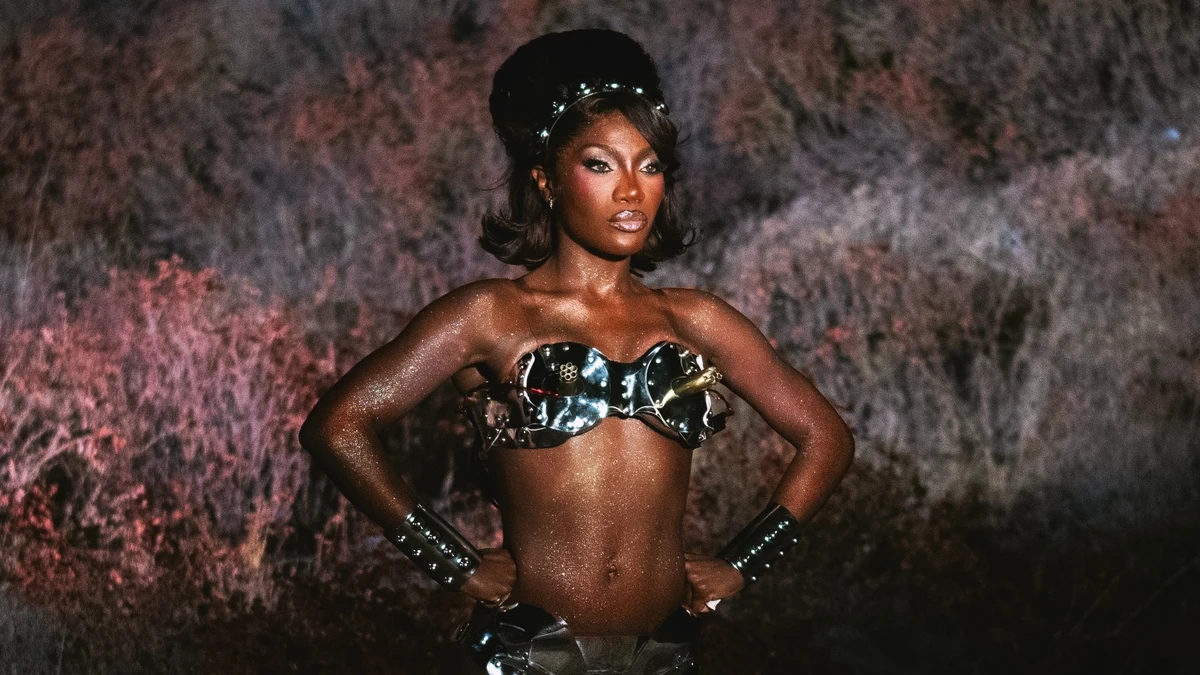
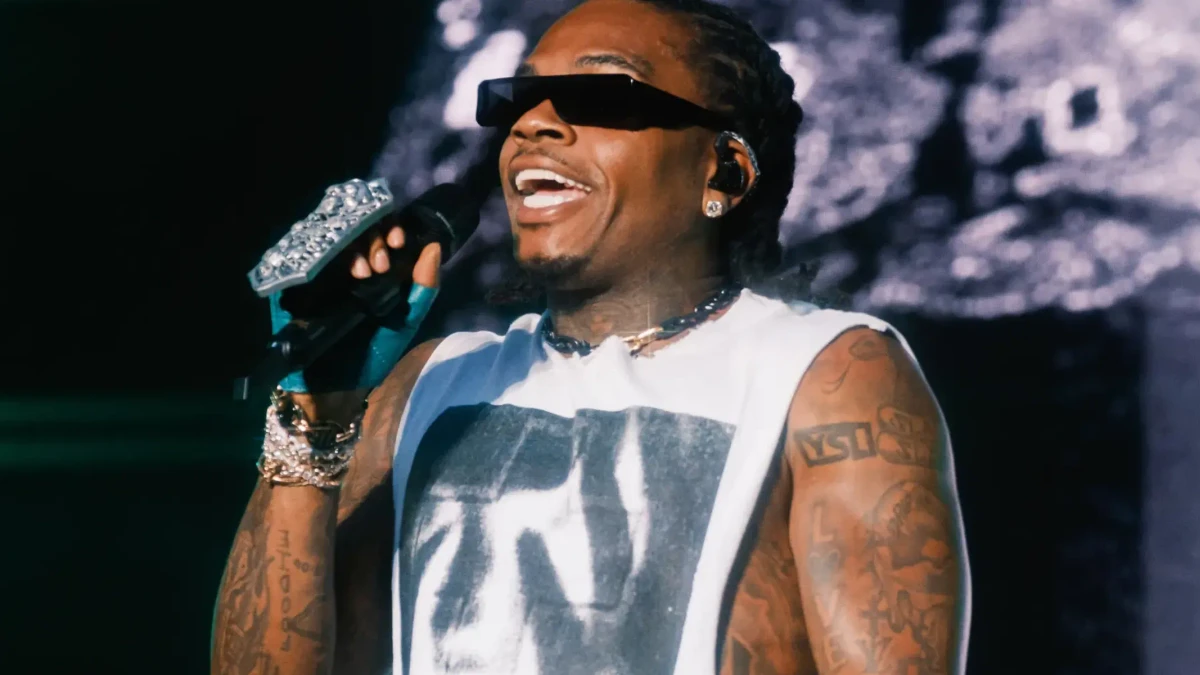
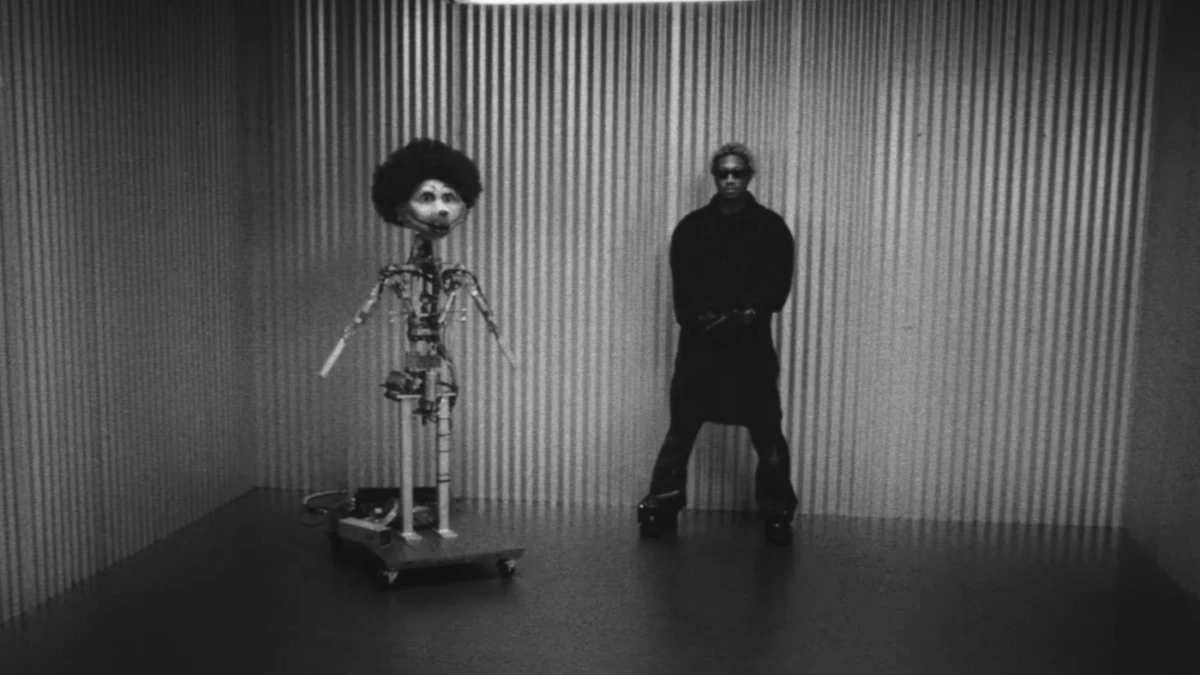
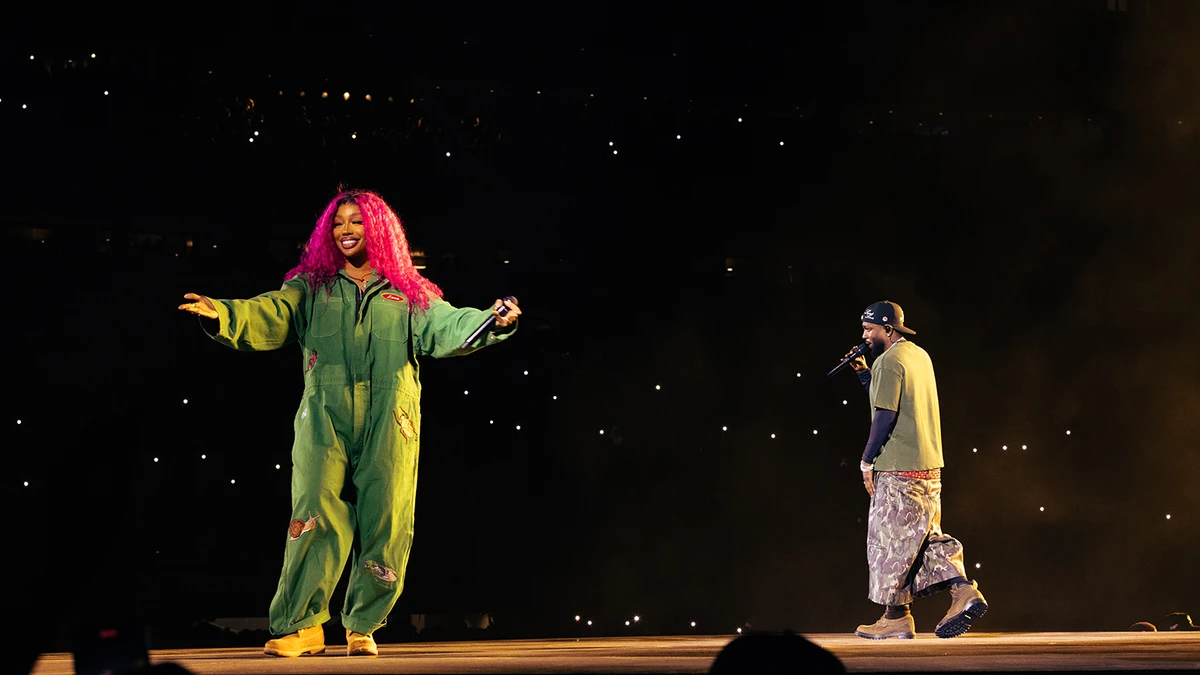
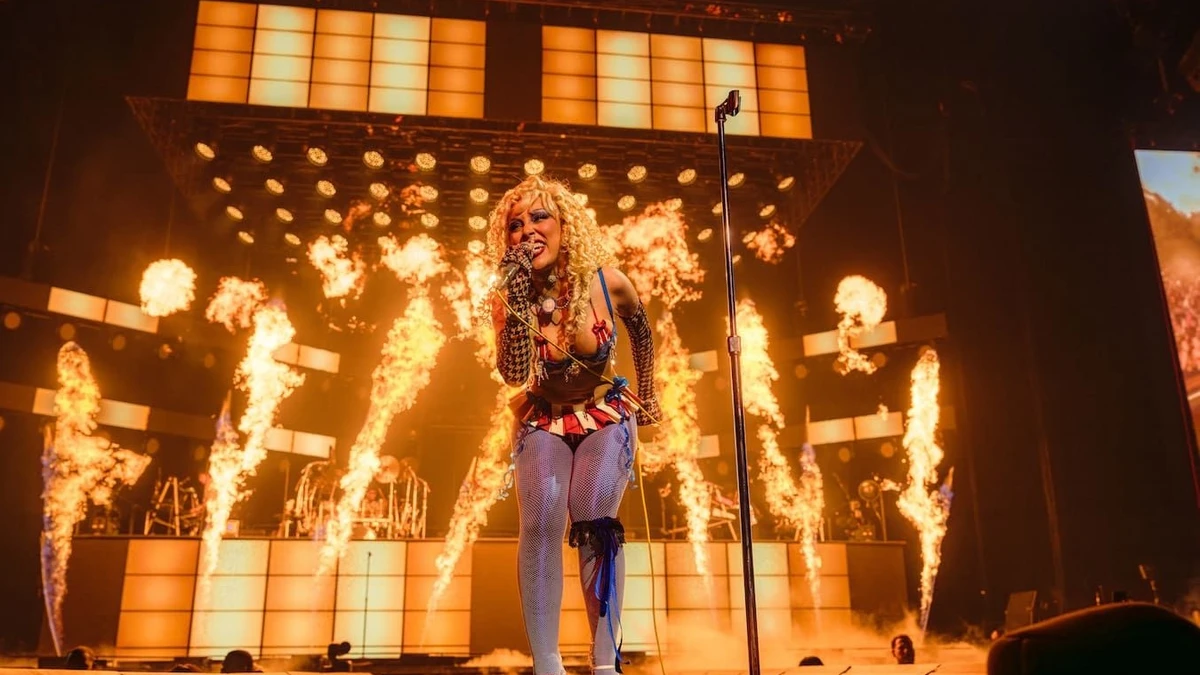
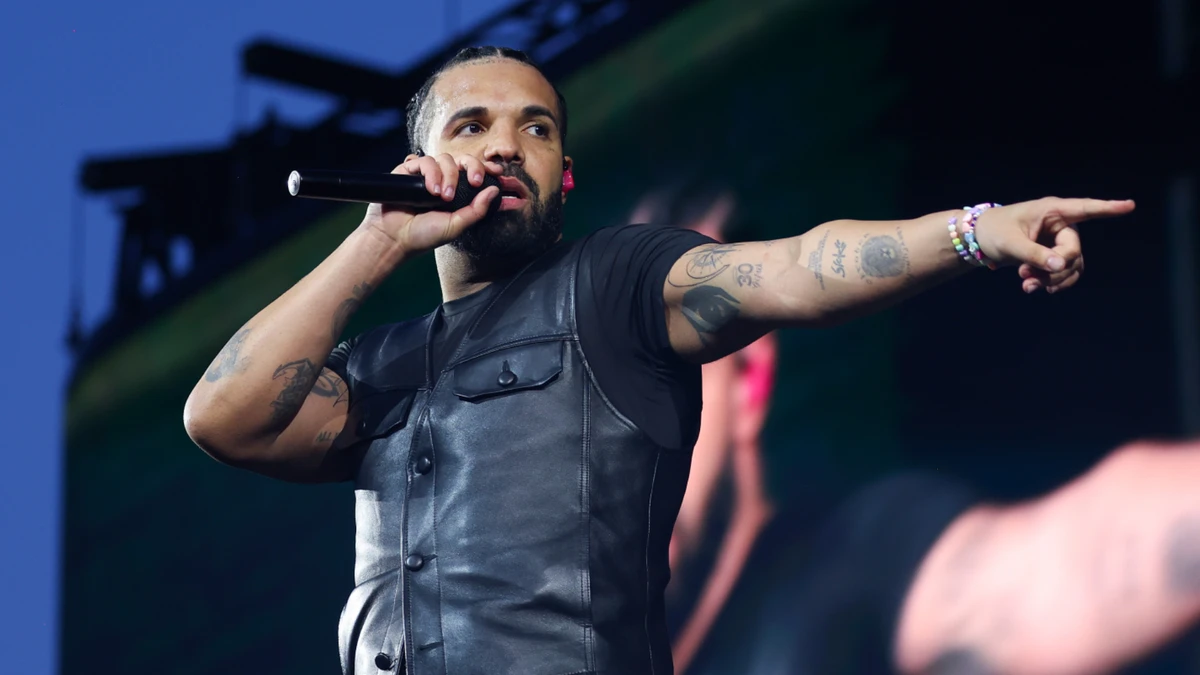
The headline is the sheer volume of features. Across 19 tracks, Set in Stone hands verses and hooks to a roster that spans regions and generations of rap and R&B. Don Toliver appears twice, on the opener “Caviar Bumps” and again on “Maybach Music VII,” the latest entry in one of Ross’s signature posse-cut franchises. T.I. anchors “Mahogany Caskets,” French Montana and Max B share “Minks in Miami,” and Rich The Kid turns up on “Face Down.”
The middle of the record leans on a mix of established names and newer voices: YFN Lucci on “Ring Around the Rolls,” BigXthaPlug on “Living Large,” The-Dream on “City Lights,” and Leon Thomas on “Remarkable Hussle.” The back half stacks marquee guests, with Gucci Mane on “Big Fish,” Kodak Black and Ball Greezy on “Diamonds Never Die,” and Yung Miami on “She’s My Star.” Even the deep cuts keep the collaborators coming, from Dean Cole to Young Breed. It is a guest list built to reward long-time fans and to broaden the album’s reach across streaming playlists.
Twenty Years After Port of Miami
Set in Stone does not arrive in a vacuum. It lands during Ross’s Port of Miami 20th Anniversary Black-Tie Experience, a 17-city North American tour performed with a full orchestra and choir, marking two decades since the 2006 debut that opened at No. 1 with 187,000 units and launched the Maybach Music empire. Ross framed the moment plainly in announcing the run: “Port of Miami was the foundation of an empire, the blueprint to the biggest boss.”
The Black-Tie Experience framing is itself notable. Reworking street-rap catalogue material for a full orchestra and choir is a bid for permanence, the kind of institutional gesture more often associated with legacy rock acts than with a genre still fighting for cultural respect. For Ross, staging the anniversary at that scale doubles as promotion for the new album, positioning Set in Stone as the next entry in a body of work worthy of the concert-hall treatment.
Read alongside the anniversary, the new album functions as a bookend and a continuation at once. Where the debut introduced the character, Set in Stone is pitched as the mature version of it, still trading in the same imagery of luxury and dominance but doing so from the vantage point of a two-decade catalogue.
The Business of a Rick Ross Album
Beyond the music, Rick Ross’s Set in Stone is a case study in how a veteran keeps a catalogue commercially relevant. The move to release through Maybach Music Group with distribution via Gamma reflects the modern preference among established artists for ownership and flexible partnerships over traditional major-label deals. The heavy feature count is a strategy as much as a creative choice, widening the album’s footprint across the fan bases of every guest and improving its odds in a streaming market that rewards breadth.
That collaborative instinct is everywhere in rap right now. RapStar.News recently examined how Metro Boomin’s collaboration era turned curated partnerships into blockbuster projects, and Set in Stone applies a similar logic from the artist’s chair rather than the producer’s. The album was announced in June before shifting to its mid-July date, a scheduling adjustment that let the rollout breathe alongside the anniversary tour.
There is a quiet lesson here for younger artists. Ross has outlasted waves of trends by treating each album as an event and each guest slot as a business relationship, and Set in Stone extends that playbook rather than gambling on reinvention. The approach will not win over listeners who want a veteran to evolve, but it keeps him in the conversation at a stage of his career when many peers have faded from the release calendar entirely.
Where Set in Stone Lands in a Crowded July
The timing puts Ross in a busy month. July 2026 has already delivered a run of high-profile rap releases, including Ken Carson’s rage-rap set xperiment, and the calendar stays dense through the summer. In that context, Set in Stone bets on legacy and star power rather than novelty, a lane few active rappers can occupy as comfortably as Ross.
That positioning could be an advantage. While newer releases compete on hype and first-week velocity, a Rick Ross album sells on dependability, the promise of a specific mood delivered without compromise. In a fragmented streaming landscape, that clarity of brand is its own form of marketing, and it helps explain why a 20-year veteran can still command a guest list that younger stars would envy. The album’s success will be measured less by chart debuts than by whether it deepens a legacy already two decades in the making.
Whether the album adds a defining chapter or simply extends a reliable run will come down to the songs once they are in listeners’ hands on July 17. What is already clear is the scale of the swing: a 20-year veteran assembling a deep cast of collaborators, tying the release to a landmark anniversary, and betting that the boss persona still sells. For fans of Rick Ross’s Set in Stone era, the reveal has done its job, and the countdown to release is on.
About Author