French Montana
French Montana
The numbers behind Ever Since U Left Me are lopsided in a way that explains the album that followed it. Fifty million global streams is a solid summer record. Twenty-three million YouTube views is respectable. Two hundred and seventy-two million TikTok views is something else entirely, and it is roughly five times the streaming figure.
When a song performs that much harder as a fifteen-second clip than as a track, it is telling you what people are doing with it. They are not listening. They are dancing to it, filming it, using it. French Montana and Max B appear to have read that correctly, because the album they built on top of it is a disco record.
What the Reunion Single Actually Measured
The full tally on that summer single, as set out by BroadwayWorld, runs to more than 50 million global streams, 23 million YouTube views, 272 million TikTok views and over 570,000 Shazams, with a remix featuring Lil Kim and an ESPN tie-in for a Knicks Edition honouring the NBA Finals.
The Shazam count is the one worth pausing on. Half a million Shazams means half a million people heard the song somewhere they could not identify it, cared enough to pull out a phone, and went looking. That is the cleanest available measure of a record breaking out of its own audience, because nobody Shazams a song they already follow.
French Montana also scored a third number one in the same stretch with Minx In Miami, featuring Rick Ross and Max B. Two hits inside one summer, both built on the same partnership, is the commercial context for everything that came next.
A Reunion That Took the Long Way Round
French Montana and Max B are not a novelty pairing. BroadwayWorld frames the duo as one of New York hip-hop’s most influential creative partnerships, and calls the reunion one of hip-hop’s most anticipated. The two built a body of work together long before the streaming era arrived to measure it.
That history is why the TikTok number reads the way it does rather than as a fluke. A clip travels fastest when it sounds like something people half recognise, and the wave sound these two made together has been sampled, referenced and rebuilt by other artists for well over a decade. The audience did not need to be introduced to it.
French Montana carries three Grammy nominations and a diamond certification into the project. Max B is described in the same announcement as a hip-hop pioneer. Neither of them needed this record to establish anything, which is usually the condition under which artists make the odd one.
Disco, and Who Is on It
Night to Remember is explicitly disco-inspired, which for a New York rap reunion is a genuine swerve rather than a texture.
The guest list is where the intent shows. The album carries appearances from YE, Rick Ross, Chinx, Ron Isley and Chase Belly, the last drawn from the Wave Gods 2: Cosmos Brothers project. Ron Isley is the name that gives the whole thing away. You do not book a voice with that much soul and disco-era history to add colour to a trap record. You book it because the record is actually built that way.
Chinx appearing on the album is its own kind of statement for anyone who has followed this circle, and it places the project firmly inside a specific New York lineage rather than a general nostalgia play.
The Single Arrived First, and the Date Moved
Cheat Code came out on 4 August with a performance video premiering on YouTube at midday Eastern the same day. At that point the album was announced for 21 August.
It did not arrive then. HotNewHipHop’s September release calendar lists Night to Remember on 4 September, a fortnight later than the announcement, into a month the same piece describes as slower than usual for hip-hop with only about a dozen albums confirmed.
A two-week slip is unremarkable on its own. The choice of where it landed is more interesting. Moving into a quieter month gives a record more room, and for an album making a genre move away from what its audience expects, room is worth more than momentum.
Why a Rap Album Goes Disco Now
There is a straightforward reading of this that has nothing to do with artistic restlessness. Short-form video rewards tempo and rhythm above almost everything else. A track that makes people move is structurally advantaged on a platform where the interaction is a dance, and disco is the most efficient machine for that purpose ever built.
A 272 million TikTok figure against 50 million streams is a strong signal about which of those two things the audience wanted. The album follows the signal.
The less cynical reading is that both artists are at a career stage where a swerve costs them little. The catalogue is established, the reunion is the draw, and a disco record is a way of making a reunion about the present rather than about nostalgia. A straight sequel to their older work would have been easier and would have aged faster.
Either way, the decision follows a pattern visible elsewhere in rap this year, where artists with nothing left to prove take control of the whole record and make the unexpected choice. It is the same instinct that showed up when JPEGMAFIA produced the whole album, then booked 23 rooms.
The Live Evidence
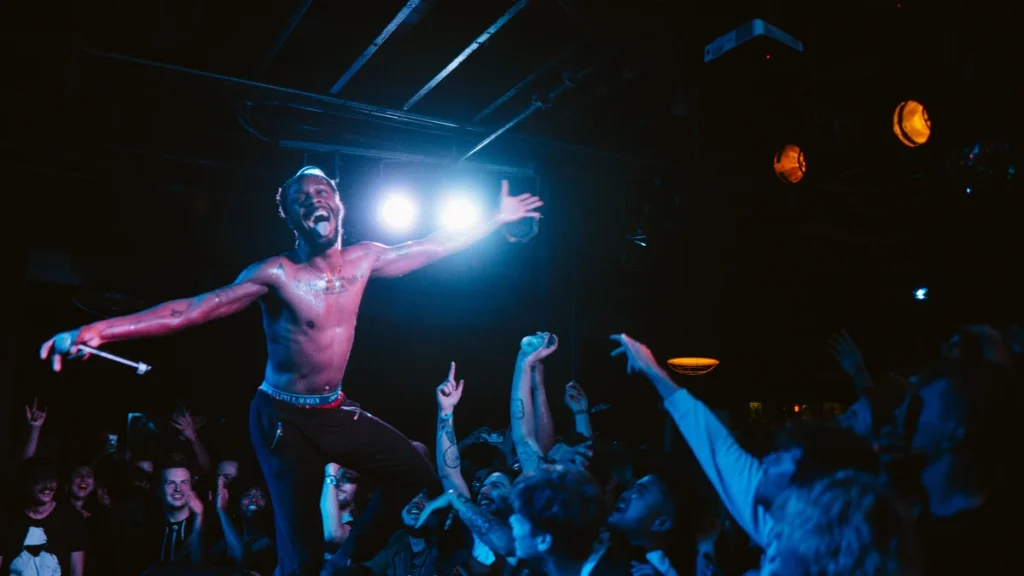
The summer run supports the idea that this was a live-first project rather than a studio experiment. Appearances included Summer Jam, the BET Awards, the American Dream Mall, the Morocco against Brazil FIFA fixture and FIFA Fan Fest Toronto.
Two of those five are football events, which is not the usual circuit for a New York rap reunion. A FIFA fan festival is a very large crowd with no particular loyalty to either artist, and it is exactly the environment where a rhythm-led record either works immediately or does not work at all.
Booking those slots before the album landed reads like a test. The set has to carry a crowd that did not come for you, and disco is built to do that better than anything on a traditional rap setlist.
What to Watch From Here
The measure that matters for this record is not first-week streams. It is whether the album tracks develop their own TikTok life the way the single did, because that is the mechanism that produced the audience in the first place.
The second is radio. Ever Since U Left Me climbed to the top of US rhythmic radio, and a disco-leaning album has an unusually wide set of formats available to it. A rap record reaches rap radio. A disco record can reach rhythmic, pop and adult formats at the same time, which is the commercial argument for the whole pivot.
The third is simply whether it lasts past the autumn. French Montana and Max B have made a record that asks a different question of its audience than either of them usually does, and a rhythm-led album either embeds itself in people’s habits or it does not. A reunion with two hits and a genre swerve has a strong opening. Whether Night to Remember becomes a catalogue record or a well-timed moment is the thing the next six months will settle, and the Shazam count suggests there is a real audience waiting to find out.
About Author