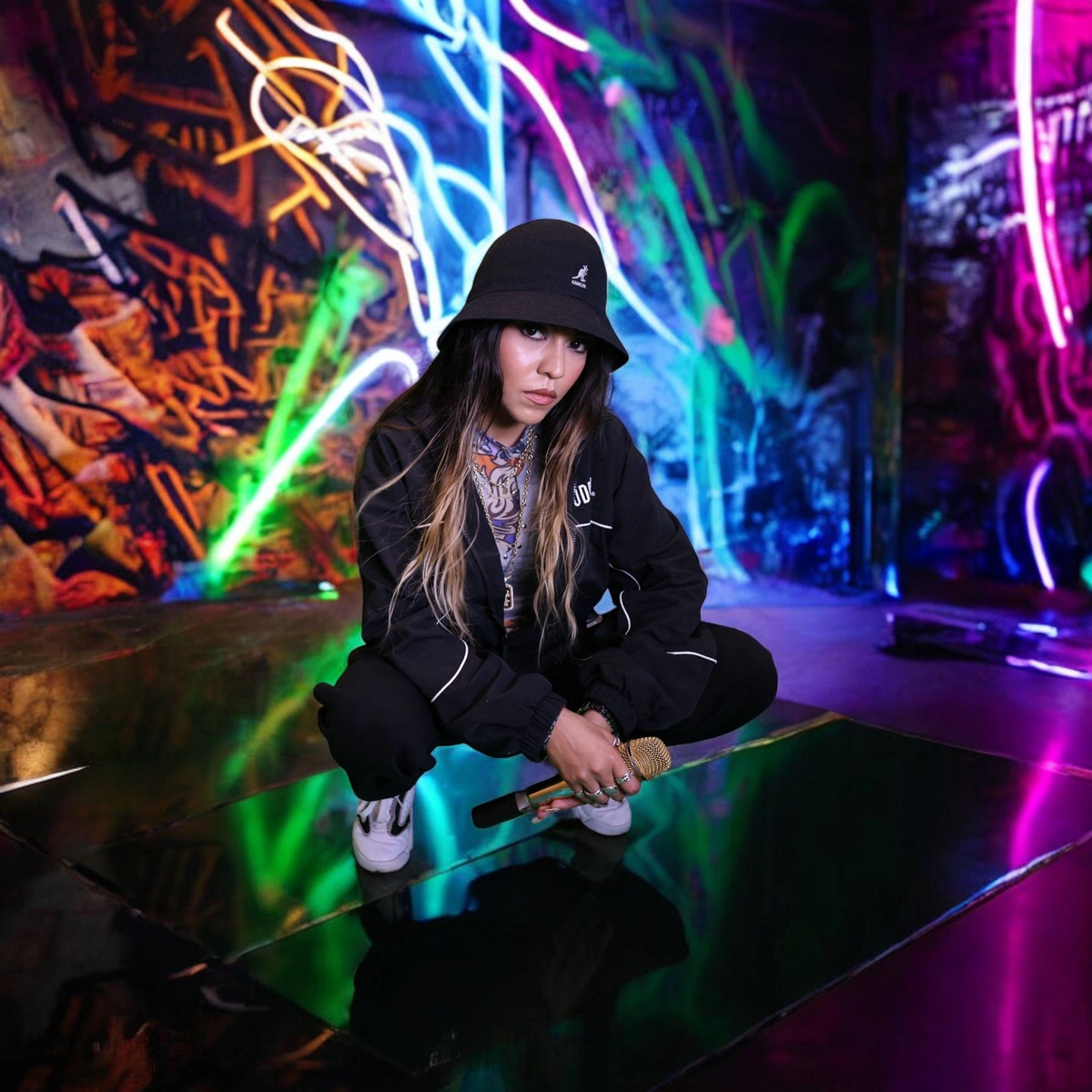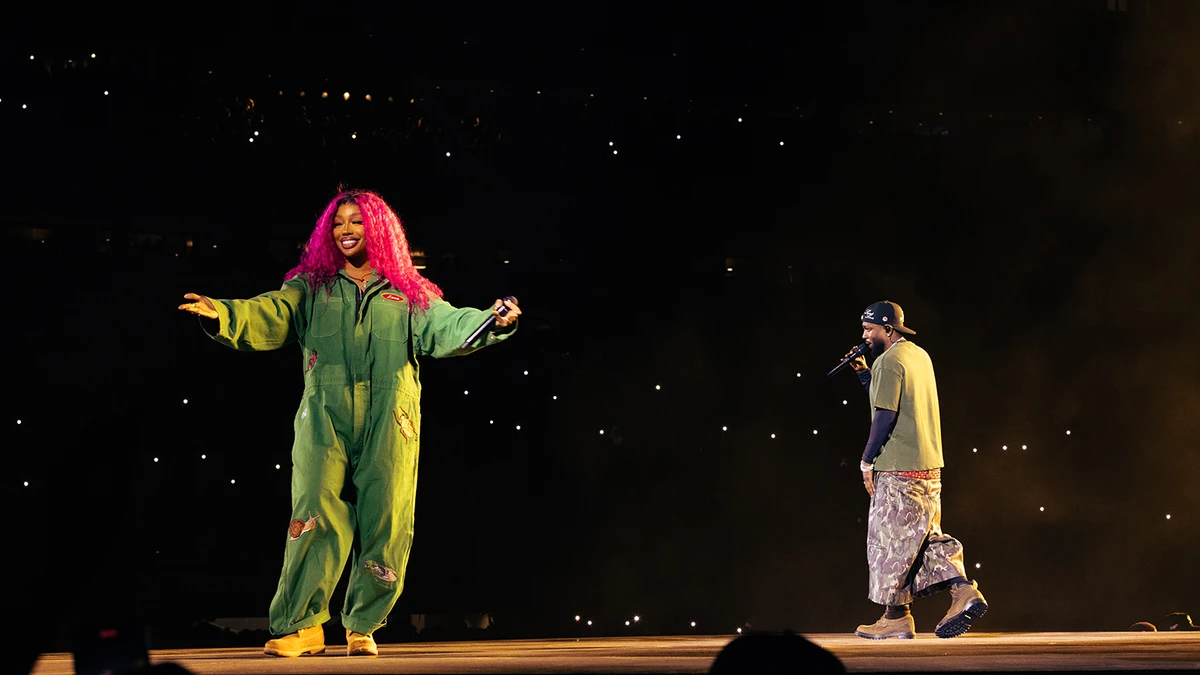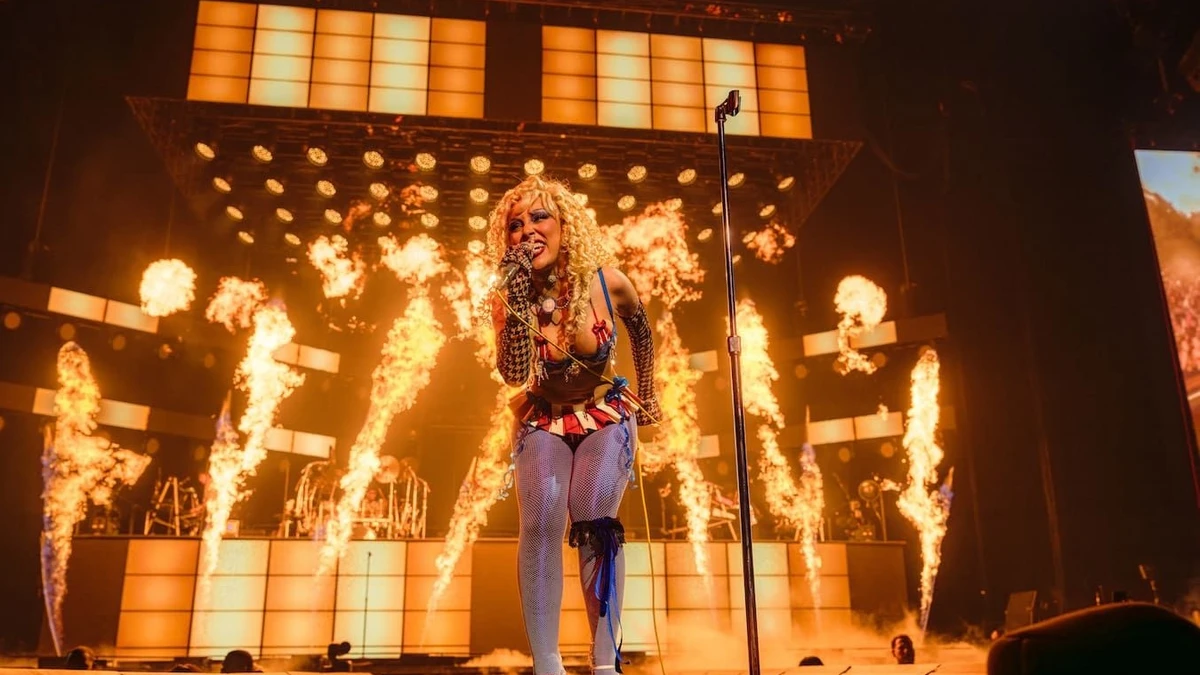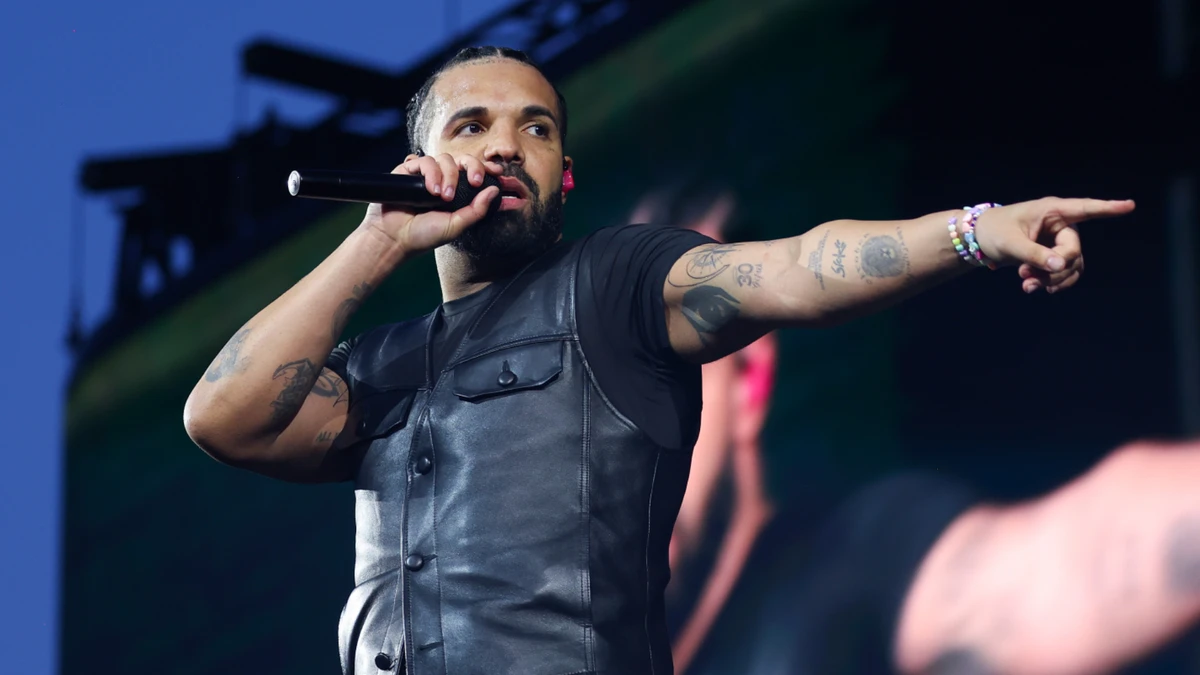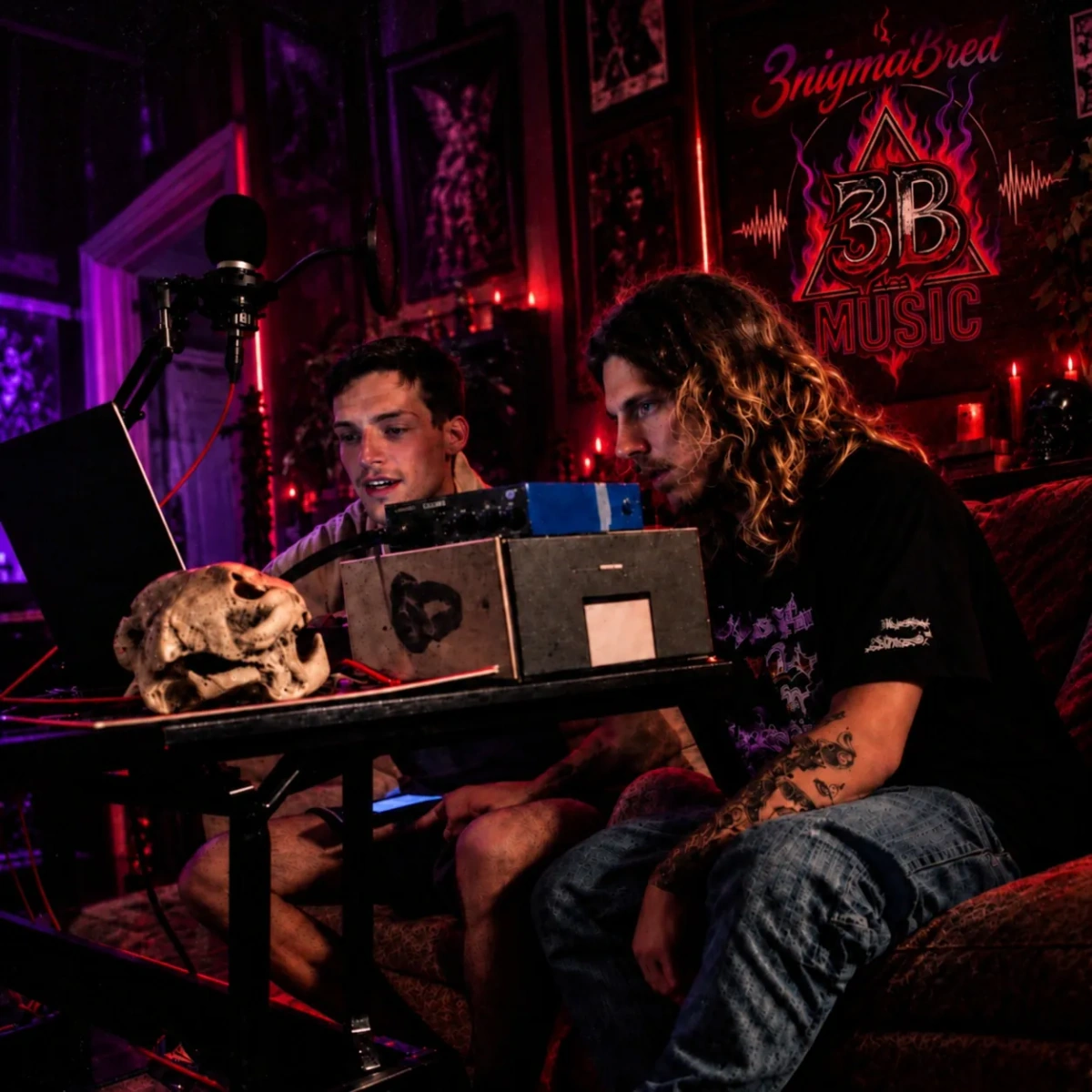
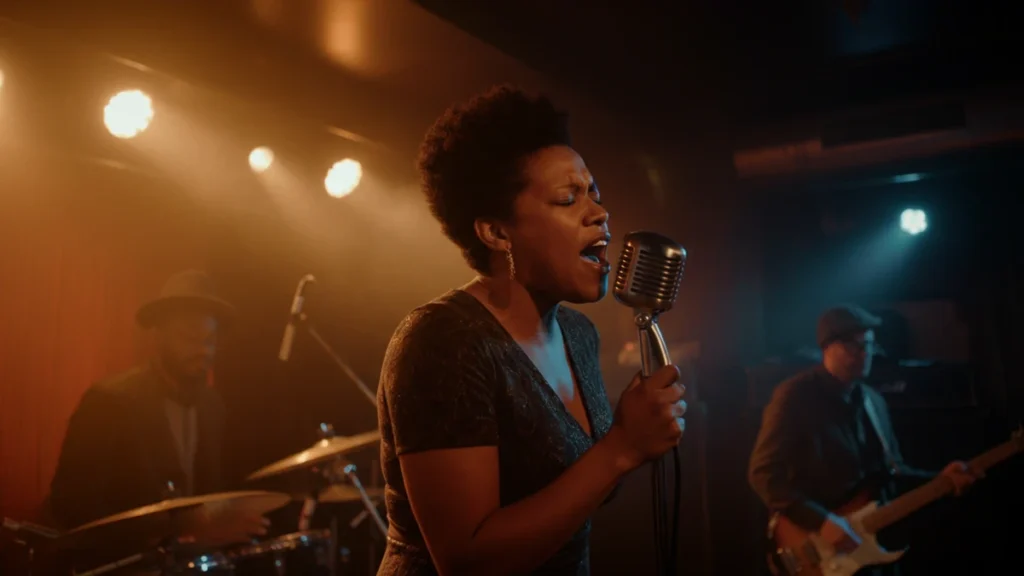
A female neo-soul singer performs passionately into a vintage microphone on a dimly lit stage in an intimate music club. | RapStar.News - AI Generated
The Heartbeat of the Bay: Why the San Francisco Neo-Soul Scene Matters Now
The Bay Area has always been a crucible of American counter-culture and musical innovation. From the psychedelic haze of the 60s to the revolutionary funk of the 70s and the birth of conscious hip-hop, this corner of Northern California has a rich history of birthing sounds that define generations. Today, a new chapter is being written in smoky clubs and community studios. The vibrant and resilient San Francisco neo-soul scene is flourishing, creating a sound that is both a throwback to the golden age of soul and a forward-looking reflection of life in one of the world’s most dynamic regions.
While cities like Philadelphia and New York City have long been recognized as neo-soul epicenters, the Bay is carving out its own distinct identity. It’s a scene forged in the face of immense economic pressure, yet it thrives on a deep sense of community, collaboration, and a unique sonic palette. This isn’t just music; it’s a cultural statement about survival, creativity, and the enduring power of soul in the tech capital of the world. It’s a scene demanding to be heard, not just locally, but on the national stage.
The Sound of the Bay: What Defines SF Neo-Soul?
To understand the San Francisco neo-soul scene, you have to listen closely. It’s a sound that pays homage to the architects of the genre, like D’Angelo and Erykah Badu, but it refuses to be a simple imitation. The roots run deep into the Bay’s own fertile musical soil. You can hear the ghost of Sly & the Family Stone’s infectious funk, the smooth, intricate arrangements pioneered by Oakland legends like Raphael Saadiq and his group Tony! Toni! Toné!, and the raw, emotional power of classic Motown and Stax Records hits.
What makes the sound unique is its modern twist. There’s a laid-back, jazzy introspection that feels distinctly West Coast. Lyrically, artists grapple with themes that are universal yet deeply specific to their environment: the dizzying cost of living, the search for authentic connection in a hyper-digital world, social justice, and personal identity. There’s an undercurrent of the region’s hyphy movement’s energy in the rhythm sections of some tracks—a subtle, propulsive bounce that grounds the ethereal melodies. The production often incorporates elements of modern R&B, lo-fi hip-hop, and electronic music, creating a textured, layered sound that’s as complex and multifaceted as the region itself.
Key Artists and Collectives on the Rise
While the Bay Area has produced global R&B superstars like Kehlani and H.E.R., the grassroots San Francisco neo-soul scene is powered by a wave of independent artists building their careers from the ground up. These are the musicians packing local venues and building devoted followings, one fan at a time.
A central figure in this new wave is Elujay. Hailing from Oakland, his music is a masterful blend of buttery vocals, sun-drenched melodies, and sophisticated musicality that has earned him critical acclaim. His projects showcase a deep understanding of soul’s lineage while pushing its boundaries. Similarly, artists like ASTU, an Oakland-based Eritrean-American singer, bring a powerful, soulful voice and a perspective that adds rich texture to the scene. Her music often explores themes of diaspora, love, and empowerment with a stunning vocal clarity that commands attention.
The scene is also marked by a strong sense of collaboration. It’s not uncommon to see artists sharing stages, featuring on each other’s tracks, and forming loose collectives to support one another. This collaborative spirit extends to artists across the West Coast, with influences from the Los Angeles scene, including artists like UMI, filtering into the Bay’s soundscape. This cross-pollination enriches the music and strengthens the entire West Coast R&B and soul movement.
The Venues: Where the Magic Happens
A music scene is nothing without its stages, and the Bay is blessed with a collection of iconic and intimate venues that serve as the lifeblood of the neo-soul community. In San Francisco proper, clubs like The Independent and the legendary The Fillmore regularly host both established and emerging soul acts. Smaller spots like Cafe Du Nord provide an even more intimate setting, allowing for a powerful connection between artist and audience.
Across the bay in Oakland, the scene is just as vibrant, if not more so. Yoshi’s Oakland stands as a temple of jazz and soul, a prestigious stage where the genre’s finest have performed for decades. Its bookings are a testament to the high level of musicianship within the neo-soul genre. For a more contemporary and often more raucous experience, The New Parish has become a crucial hub, known for its impeccable sound system and its championing of local talent. These venues aren’t just places to see a show; they are community centers where artists network, fans connect, and the culture of the San Francisco neo-soul scene is actively nurtured.
Challenges and Opportunities in the Tech Mecca
No discussion of the Bay Area is complete without addressing the towering presence of Silicon Valley. The tech boom has brought prosperity to the region, but it has also created immense challenges for artists. The skyrocketing cost of living makes it incredibly difficult for musicians to afford housing, let alone rehearsal spaces. The very culture of the city is in flux, with fears that the creative communities that gave the Bay its character are being priced out.
However, this proximity to the tech world also presents unique opportunities. Bay Area artists are inherently tech-savvy. They are early adopters of new platforms and masters of digital self-promotion. Oakland-based Bandcamp has become an indispensable tool for independent artists globally, providing a direct-to-fan platform to sell music and merchandise, and its ethos is deeply embedded in the local scene. Artists are leveraging platforms like TikTok and Instagram not just for marketing, but as creative tools in their own right, building global audiences from their Bay Area home bases. They are using technology to bypass traditional gatekeepers and forge their own paths, a quintessentially Bay Area approach.
The Future of Bay Area Soul
The San Francisco neo-soul scene is at a fascinating crossroads. It is a testament to the resilience of artistic expression in the face of adversity. The community’s collaborative spirit, combined with a distinct and evolving sound, has started to capture the attention of the wider music world. Publications like KQED Arts provide essential local coverage, while national outlets like Pitchfork and Billboard are increasingly taking note of the talent emerging from the region.
The future will likely see more cross-genre pollination, with neo-soul artists collaborating with the Bay’s equally innovative hip-hop and electronic producers. As the artists continue to hone their craft and build their audiences, it’s only a matter of time before the next wave of Bay Area soul singers breaks through to mainstream success, following in the footsteps of giants like Raphael Saadiq. The sound they are creating is authentic, heartfelt, and deeply rooted in place—a soulful soundtrack for one of America’s most iconic and complicated regions.
This innovative spirit mirrors a larger trend, where producers are fusing boom bap grit with global jazz to redefine modern hip-hop’s sound.
How You Can Support the Scene
Are you ready to dive in? Supporting the San Francisco neo-soul scene is the best way to ensure its continued growth. Start by following the artists mentioned here—and the ones they collaborate with—on platforms like Spotify and Apple Music. More importantly, buy their music and merchandise directly from them, often through Bandcamp. Attend a live show at Yoshi’s Oakland or The Independent. Share their music with your friends. By engaging directly, you become part of the community that sustains this incredible movement. The soul of the Bay is calling—it’s time to listen.
About Author