

D Signature Writes Through Volume Buck in Under Twenty Minutes
Seven Tracks, Nineteen Minutes, and No Room for a Filler Verse
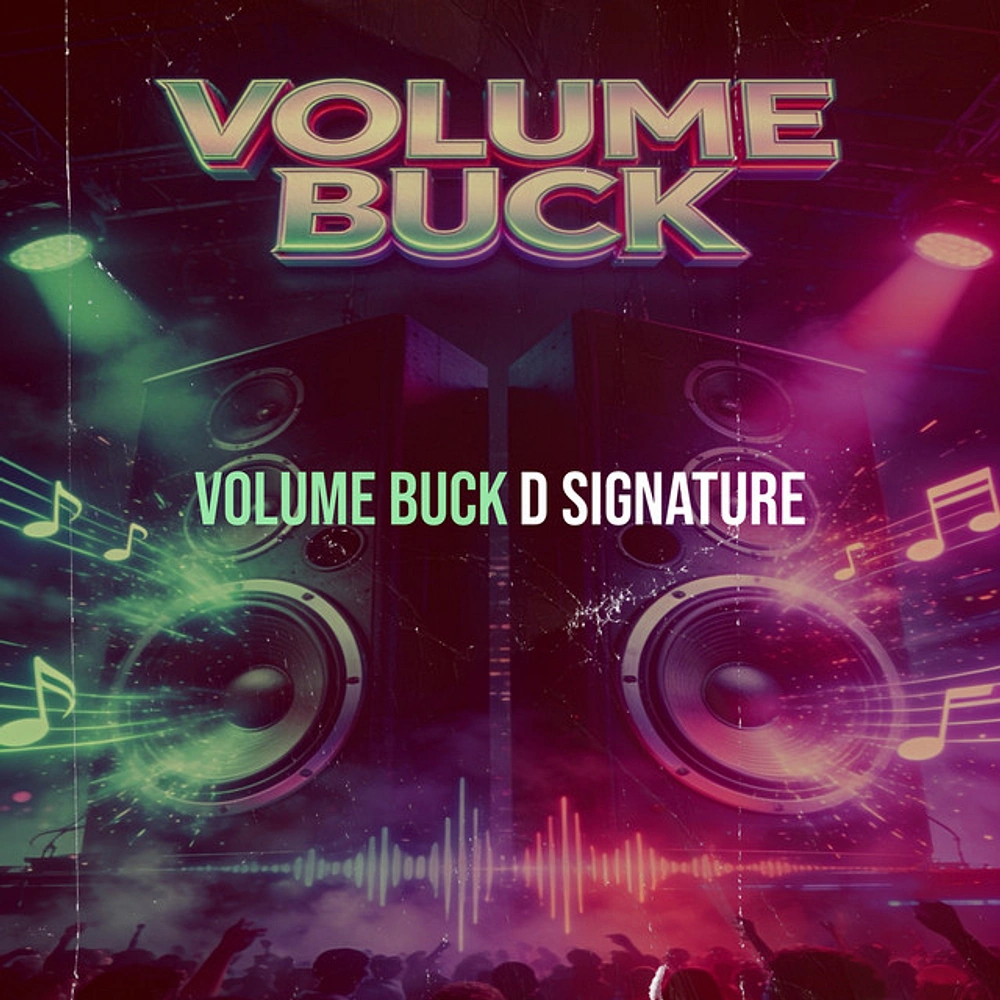
The longest song on Volume Buck is three minutes and seven seconds. The shortest is two minutes and seventeen. Across seven tracks the whole EP runs about nineteen minutes, and D Signature wrote, produced and finished every part of it himself. That length is a writing decision before it is anything else.
D Signature is in the playlist below, and the artist profile gathers every piece this network has run. Volume Buck arrived through PopHits.Co Music Charts, which verifies independent artists and places their releases across its network of music news desks. Hit play, then keep reading.

What D Signature Actually Says On Volume Buck
Start with the titles, because they tell you how the writing works. Pass Through. Cya Fool Me. Lies. Lady. These are statements, not images. Each one names a position and the song then holds it. There is no scene-setting verse before the point arrives.
That is a harder way to write than it sounds. A three-minute song with a stated position has to earn the repeat, and the usual escape route is a bridge that changes the subject. Volume Buck does not take it. The EP moves from anger through heartbreak to a party without ever stepping outside the first person, and the tonal swing is carried by the beat rather than by a change of narrator.
The language moves too. Patois sits in the titles and in the hooks, where the rhythm needs it. The verses are sung in a London contemporary-soul register, patient and conversational. Davion Linton Gowie was born in Saint Mary, Jamaica and works from London, and the code-switching is not decoration. It marks where in the bar he wants the weight. Dancehall phrasing lands the hook. The soul register carries the argument.
The EP does not soften its language either. Two of the seven titles are blunt enough that most playlists will flag them, and that reads as consistency rather than provocation: the record says what it means in the register it means it.

How D Signature Builds A Track Around His Own Beat
Here is where writing everything yourself changes the result. A topline writer gets a finished beat and finds the pocket inside it. Someone building both at once decides the pocket and the line together, and can move either one.
You can hear that in how the vocals sit. The phrasing does not stretch to fit a bar that was already there. Lines end where the thought ends and the beat accommodates them, which is why the tracks stop at two and a half minutes rather than running a third chorus to reach a target length. Nothing here is padded to hit a duration.
Short songs also change what a hook has to do. With no third chorus to fall back on, the hook has to arrive early and hold, so the writing front-loads the strongest line rather than saving it. That is why the titles and the hooks share their language: by the time the first chorus lands, the song has already told you what it is called and why.
The genre pairing works the same way. Alternative R&B and dancehall usually meet as a borrowed bounce under an R&B topline, kept for one single and then dropped. Here the rhythm is load-bearing across all seven tracks, because the person choosing the drum pattern is the person writing the melody over it.

Sequencing, Aliases And The Company The Record Keeps
Sequencing follows the same logic. The title track is placed last rather than first, so the EP arrives at its name instead of announcing it, and the two longest songs sit at positions four and five, where the record needs its centre of gravity. The artist works under two names, D Signature and Million Miles, and the split is useful shorthand: one is the writing credit, the other is the delivery. On a self-made record they are the same person making both calls in the same session.
For placement, three names mark the lane without claiming the company. Sampha is the closest for the self-produced London soul approach, a voice sitting inside a track its own author built. Dexta Daps covers the dancehall-and-R&B hybrid writing, blunt subject matter delivered in a singing register. Chronixx is the Jamaican songwriting reference, the discipline of saying a thing plainly over a rhythm that does not need help.
The RapStar.News curator team: “Nineteen minutes across seven tracks is the tell. Most self-released projects run long because nobody is there to cut them. This one is cut hard, and the cutting is the craft: every song states its position, works it, and gets out. That is a writer editing himself, which is rarer than a writer with good lines.”
Readers of this site have met the artist before, on the Landslide album and on the Jah Protection video. Volume Buck is the shortest thing in that run and the most disciplined.
Where To Hear D Signature
Stream Volume Buck on Spotify and Apple Music, or play the full EP on YouTube.
Follow D Signature across platforms: Instagram, X, TikTok, Facebook, and the YouTube channel.









About Author